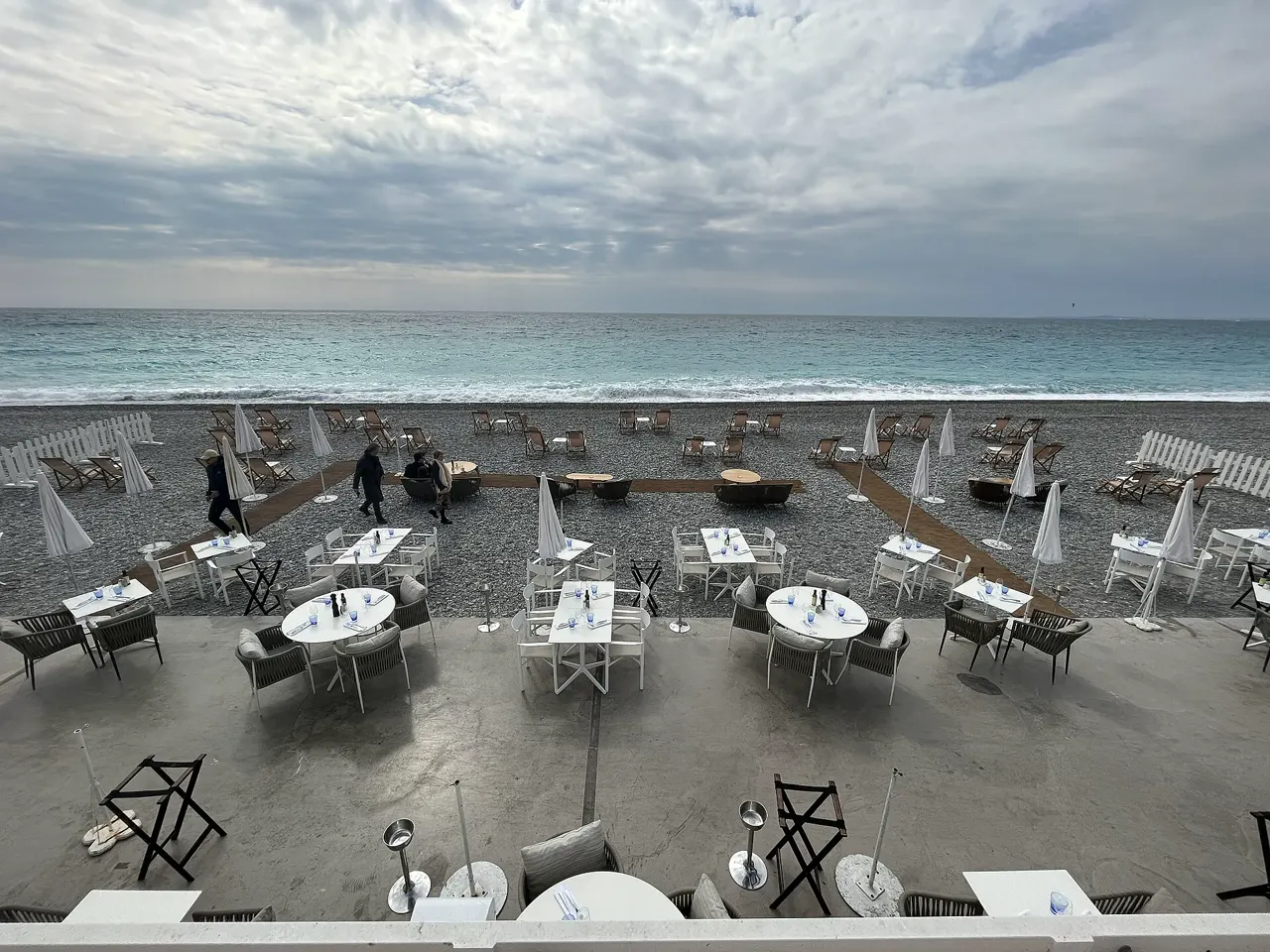
I booked my first October beach trip almost by accident, chasing a cheap flight to Crete without much thought for the season. I arrived expecting cardigans and closed beach bars and found a sea warmer than it had any business being that late in the year. That's when I understood why the people who know Europe's beaches best tend to travel late rather than in the crush of summer.
The Mediterranean doesn't cool down quickly. Water temperatures in September average 24 to 27°C across the eastern Med, and by October the same waters are still sitting at 22 to 25°C, warmed by months of sun since April. Meanwhile the resorts are running at lower occupancy, and the travelers who remain tend to be independent rather than part of the package-holiday rush that dominates August.
The price difference tells its own story. A week in Crete that runs €1,800 per person in August can be had for €900 in October, and that saved money buys you a noticeably better hotel. Compare hotels in Crete on Hotellook. The trade-off is real: some beach bars shutter by mid-October, and not every autumn day delivers beach weather. But when the good days come, they're very good, and I've had some of my best afternoons on European sand in the back half of October.
Crete Holds Up Best of the Greek Islands
Crete is the most self-contained island in Greece, large enough to support proper cities like Heraklion, Chania, and Rethymno, with serious archaeology at Knossos, food that stands on its own, and beaches ranging from organized resorts to genuinely wild stretches of coast. In October the sea sits around 23°C and the air runs 24°C by day, dropping to a cooler 18°C once evening comes on. Most beaches stay open through the month, along with the archaeological sites and the island's driving routes, though a handful of beach bars and watersports operators wind down by mid-month.
The south coast, around Elafonissi and Balos, is the dramatic, photogenic side of the island, while the north has the stronger resort infrastructure if that's what you want. Agios Nikolaos and Sitia to the east are quieter and feel more genuinely Greek. If you're traveling into late October, base yourself in Chania. It's one of the few places where restaurants and cafes stay open through the winter for the people who actually live there, not just for visitors.
The Algarve Trades Warmth for Scenery
Portugal's southern coast doesn't offer Mediterranean water temperatures. The Atlantic runs cooler here, around 20°C in October, with air temperatures of about 22°C by day and 15°C once the sun sets. What the Algarve gives up in sea warmth it makes up for in scenery that genuinely earns the postcards: the cliffs, sea stacks, and grottos around Lagos and Sagres are some of the most striking coastline in Europe, and October still delivers seven to eight hours of sunshine a day, more than most of Northern Europe sees in July.
The region also runs a longer season than most beach destinations thanks to its latitude, and most restaurants and facilities stay open well into November. Praia da Marinha, with its cliff walk and hidden cove, is worth the drive on its own, as is Ponta da Piedade near Lagos for its sea caves, and Sagres for the sense of standing at the literal edge of the continent. The Ria Formosa wetland near Faro is a quieter add-on if you want a break from beaches altogether. For a base, Lagos suits nightlife and younger travelers, Tavira in the east gives you a quieter and more distinctly Portuguese experience, and Albufeira leans hard into British-style resort holidays, which is worth knowing before you book if that's not what you're after.
Cyprus Barely Notices the Season Change
Cyprus runs the longest beach season anywhere in Europe. October temperatures average 27 to 28°C with sea temperatures of 26 to 27°C, and honestly, it doesn't feel like late season at all. The island sits far enough south and east that summer doesn't really let go until November, so you get full beach weather in mid-October while the rest of the continent is already reaching for jumpers.
Paphos offers UNESCO-listed mosaics and a calmer, more upscale feel. Ayia Napa is resort-heavy and livelier, with strong beaches nearby at Cape Greco. Limassol feels the most like a real city, with a solid restaurant scene and the Troodos wine region within reach. One practical note worth knowing before you book: Cyprus has a split history that affects travel logistics. The Republic of Cyprus governs the south, where nearly all the tourist infrastructure sits, while the north is a separate entity controlled by Turkey with its own entry requirements. Almost every EU visitor flies into Larnaca or Paphos, both in the Republic of Cyprus.
The Canary Islands Barely Have an Off-Season
The Canaries sit off the northwest coast of Africa and run a remarkably stable climate nearly year-round, typically 22 to 24°C and sunny, which makes October and November genuinely peak months for pleasant weather rather than a fallback. Tenerife is the largest and most varied of the islands, with a lush, dramatic north around the Anaga mountains and Puerto de la Cruz, and a drier, sunnier south around Playa de las Américas and Los Gigantes. Compare Tenerife hotels on Hotellook. Lanzarote is volcanic and stark, home to the extraordinary Timanfaya National Park, with Playa Blanca and Famara among its best beaches. Fuerteventura is the pick for beach purists, with long stretches of sand and strong wind for kitesurfing and windsurfing, though it has less dramatic scenery than its neighbors. Gran Canaria offers the most range in one island: sand dunes at Maspalomas in the south, mountains inland, and a proper city, Las Palmas, in the north.
The practical advantage here is real: flights from the UK and Northern Europe keep running through the winter, making the Canaries one of the only European beach destinations where you can book October, November, or December without worrying about facilities closing around you.
Sardinia Is Beautiful but Closes Earlier
Sardinia has some of the finest beaches in Europe, with fine white sand, turquoise water, and coastal scenery that photographs better than almost anywhere else on this list, and it's genuinely lovely through September and early October. Sea temperatures run around 25°C in September, dropping to 22°C in October, with air temperatures of 22°C by day and 15°C by evening.
The catch is that more facilities close here in October than in the Greek or Spanish destinations. If you're traveling late in the month, stick to areas that stay populated year-round, like Cagliari in the south or Alghero in the northwest. Costa Smeralda in the northeast is the most famous and most expensive stretch of coast, Spiaggia di Chia in the south is quieter and less developed, and Cala Luna in the Gulf of Orosei is reachable only by boat, which keeps it wonderfully uncrowded even in peak months.
Booking Late Season Right
Flights are cheapest booked six to ten weeks ahead, but hotels work differently in this window. Compare fares on Aviasales once your dates firm up. You can often book last-minute and land a better deal than you would booking far in advance, since occupancy pressure eases off once the season turns. Package holidays are also worth a second look in this window. Tour operators are eager to fill their remaining inventory and frequently discount significantly in August and September for October travel, so it's worth comparing a package price against booking independently before assuming independent travel wins on cost. Whatever you choose, book refundable or flexible-rate hotels where you can. Late-season weather across all of these destinations is generally excellent, but the Atlantic-facing spots, the Algarve and the Canaries especially, occasionally catch an early autumn storm that flexible booking makes easier to work around.
Ready to book this trip?
Compare flights, stays and tours before the good fares go.